When it comes to athlete strength and conditioning, everyone is looking for the next best thing.
The new piece of technology.
The flashy drill.
The exercise that looks good on social media.
The testing tool that gives you a number and makes the session feel more advanced.
But the truth is, getting athletes bigger, faster, and stronger is rarely about chasing the brightest object in the room.
It comes down to consistency, proper progressions, smart exercise selection, progressive overload, fatigue management, and understanding how each phase of training builds into the next.
That is the foundation of real athlete development.
At CrossFit Milford, when we train athletes, the goal is not to just make the workout look hard. The goal is to make the training transfer. We want athletes to run faster, jump higher, change direction better, produce more power, absorb more force, and stay healthier over the course of their season.
That does not happen by accident. It happens through a plan.
The biggest separator in athlete development is not always the most talented athlete. A lot of times, it is the athlete who can show up, train with intent, and stack quality work over time.
One great session does not change an athlete.
Consistency Comes First
One hard workout does not build a foundation.
One speed day does not make someone fast.
But consistent training, done the right way, over months and years, creates athletes who are bigger, faster, stronger, and more durable.
The weight room is not a quick fix. It is a long-term investment. The athletes who understand that are usually the ones who make the biggest jumps.
Exercise Selection Has To Match The Goal
Not every exercise needs to be fancy.
In fact, most athletes need more time mastering the basics before they need anything advanced.
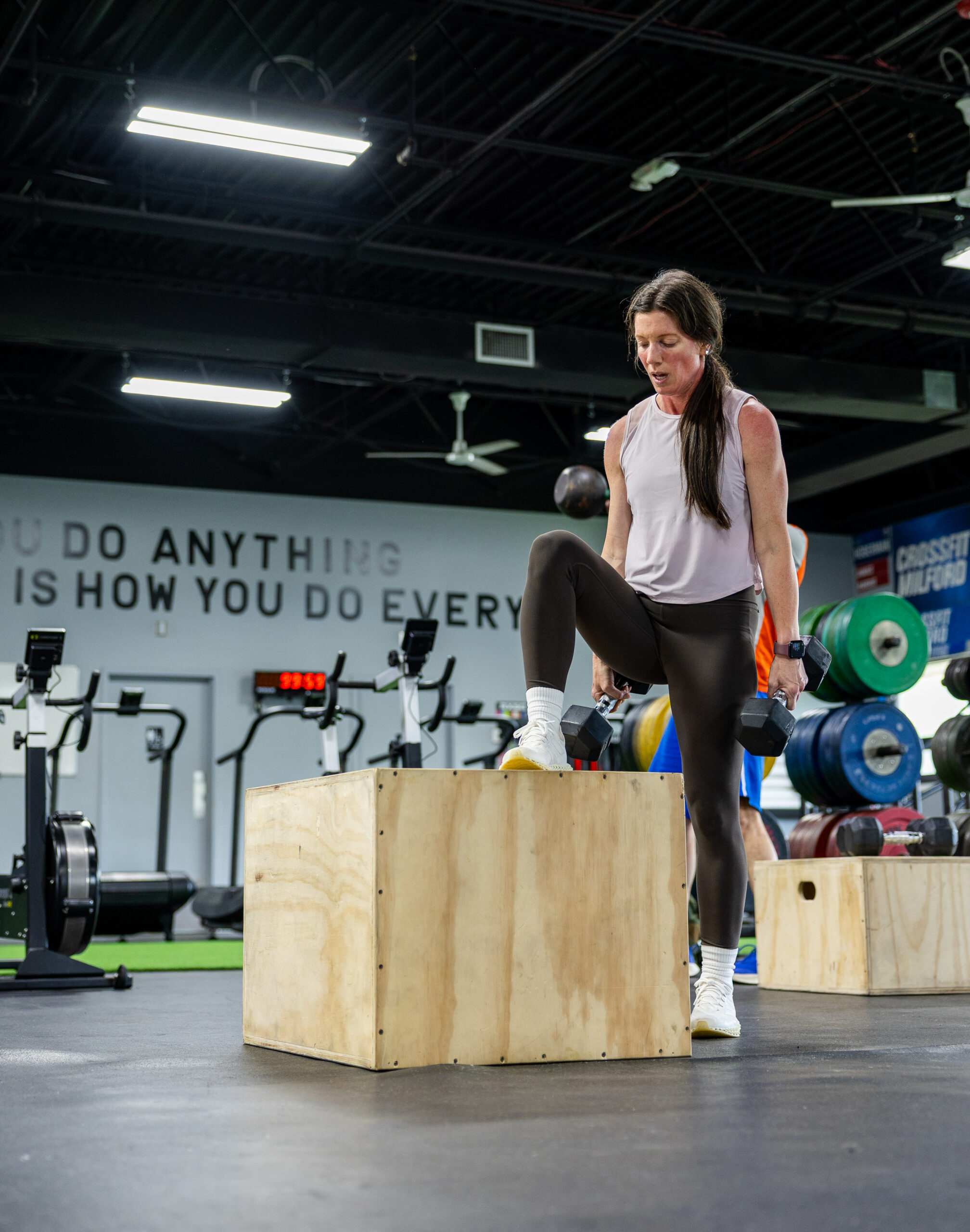
Squatting, hinging, lunging, pushing, pulling, jumping, landing, sprinting, carrying, bracing, and rotating are still the foundation. The key is choosing exercises that match the athlete, their sport, their training age, their movement ability, and the time of year.
A younger athlete does not need the same training as a college athlete.
An in-season athlete does not need the same training as an off-season athlete.
An athlete who lacks strength does not need the same training as an athlete who lacks speed or power.
Good athlete strength and conditioning starts with identifying what the athlete needs, then selecting the right tools to build those qualities.
The exercise is only valuable if it serves the purpose.
Progressive Overload Builds The Athlete
If the goal is getting athletes bigger, faster, and stronger, there has to be progression.
Athletes need to gradually handle more stress over time. That might mean more weight, more speed, more volume, more complexity, better positions, shorter rest periods, or improved output.
But progressive overload does not mean just adding more every week with no thought.
It means applying the right stress at the right time so the athlete can adapt.
Too little stress and the athlete does not change.
Too much stress and the athlete breaks down.
The right amount of stress, progressed over time, creates development.
This is where coaching matters.
A good program knows when to push, when to hold, and when to pull back. It is not about beating the athlete into the ground. It is about creating the adaptation that athlete needs.
One of the biggest mistakes in athlete training is confusing tired with better.
Fatigue Management Is A Performance Tool
Yes, athletes need to work hard. They need to be challenged. They need to be uncomfortable. But being exhausted all the time is not the goal.
Fatigue has to be managed.
Athletes are already dealing with practices, games, tournaments, school stress, travel, lack of sleep, and sport-specific demands. If the strength and conditioning program ignores all of that, the training becomes another stressor instead of a tool that supports performance.
Fatigue management allows athletes to train hard, recover, adapt, and continue to make progress.
That is how you keep athletes improving without constantly digging them into a hole.
Phase Potentiation: Building One Quality Into The Next
Proper development is not random.
There should be phases of training that build on each other.
This is where phase potentiation matters. One phase should prepare the athlete for the next phase.
A strength phase can build the foundation for power.
A hypertrophy phase can help build the tissue and muscle needed to tolerate more force.
An aerobic base can support better recovery and repeat efforts.
A power phase can help transfer strength into speed and explosiveness.
A speed phase can sharpen the qualities that matter most on the field, court, ice, or track.
The goal is not to train everything hard all the time.
The goal is to build the right qualities in the right order so the athlete continues to progress.
That is how training becomes a long-term development plan instead of just a random collection of hard workouts.
Play The Long Game
Athlete development is not about chaos.
It is not about doing more just to do more.
It is not about making everything look advanced.
It is not about chasing technology before the foundation is built.
It is about consistency.
It is about principles.
It is about progression.
It is about understanding the athlete in front of you.
It is about building abilities that actually transfer to sport.
Getting athletes bigger, faster, and stronger takes time. It takes patience. It takes a plan. And it takes a coach who understands that the goal is not just to create fatigue.
The goal is to create adaptation.
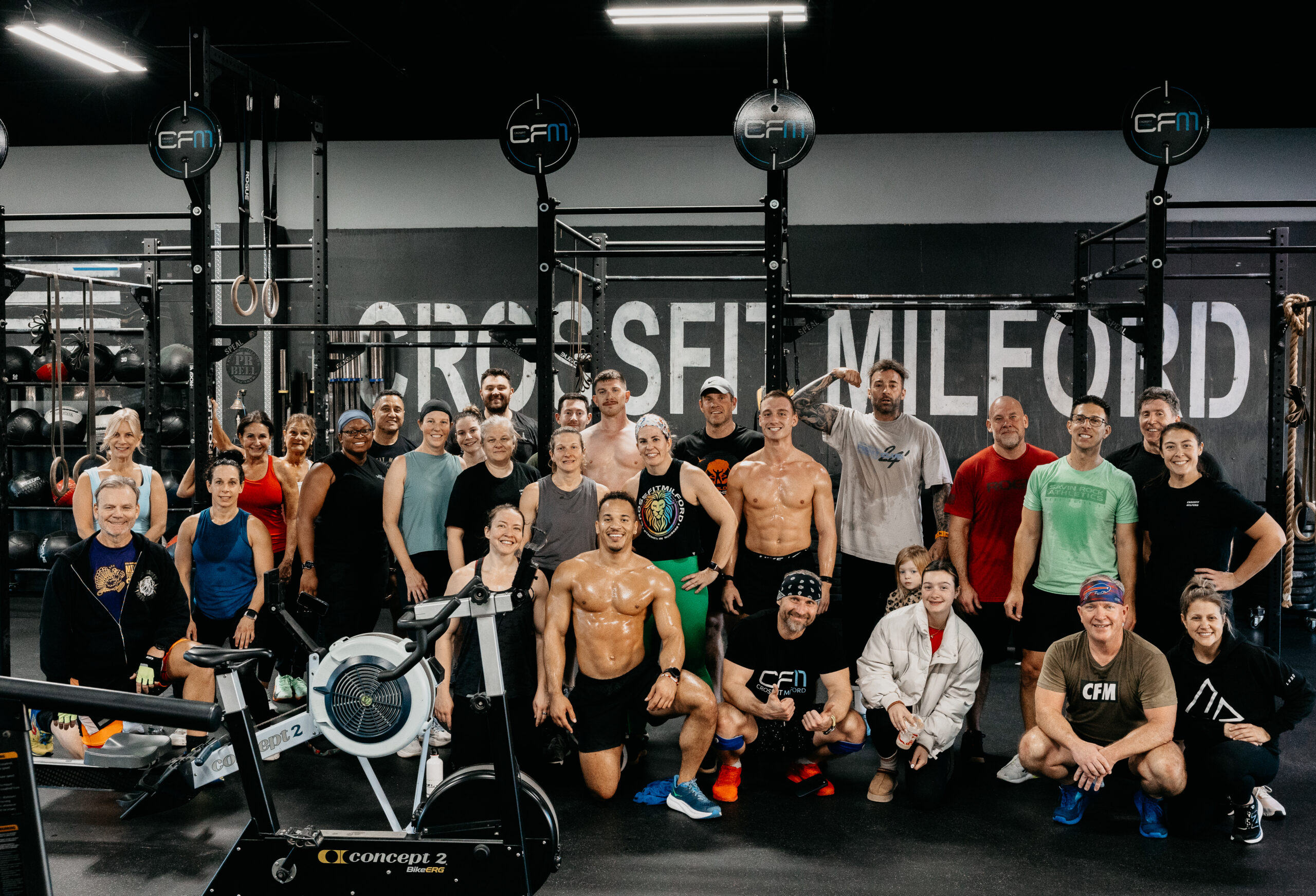
At CrossFit Milford, our athlete strength and conditioning programs are built around that idea. We focus on developing the foundation, progressing the athlete properly, managing fatigue, and helping each athlete build the qualities they need to perform better in their sport.
No shortcuts.
No gimmicks.
No chasing the lights.
Just consistent work, proper progressions, and playing the long game.