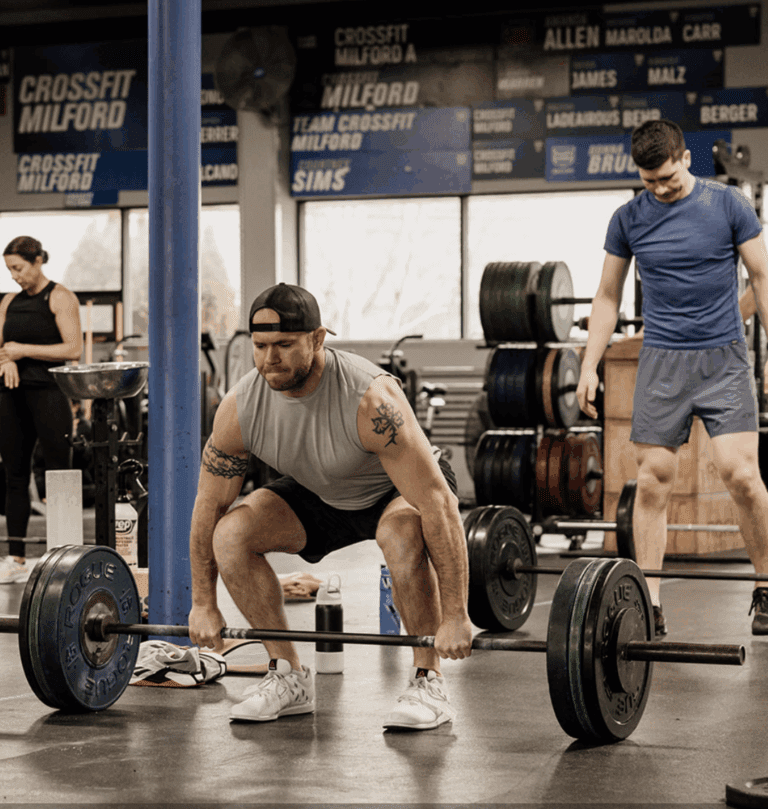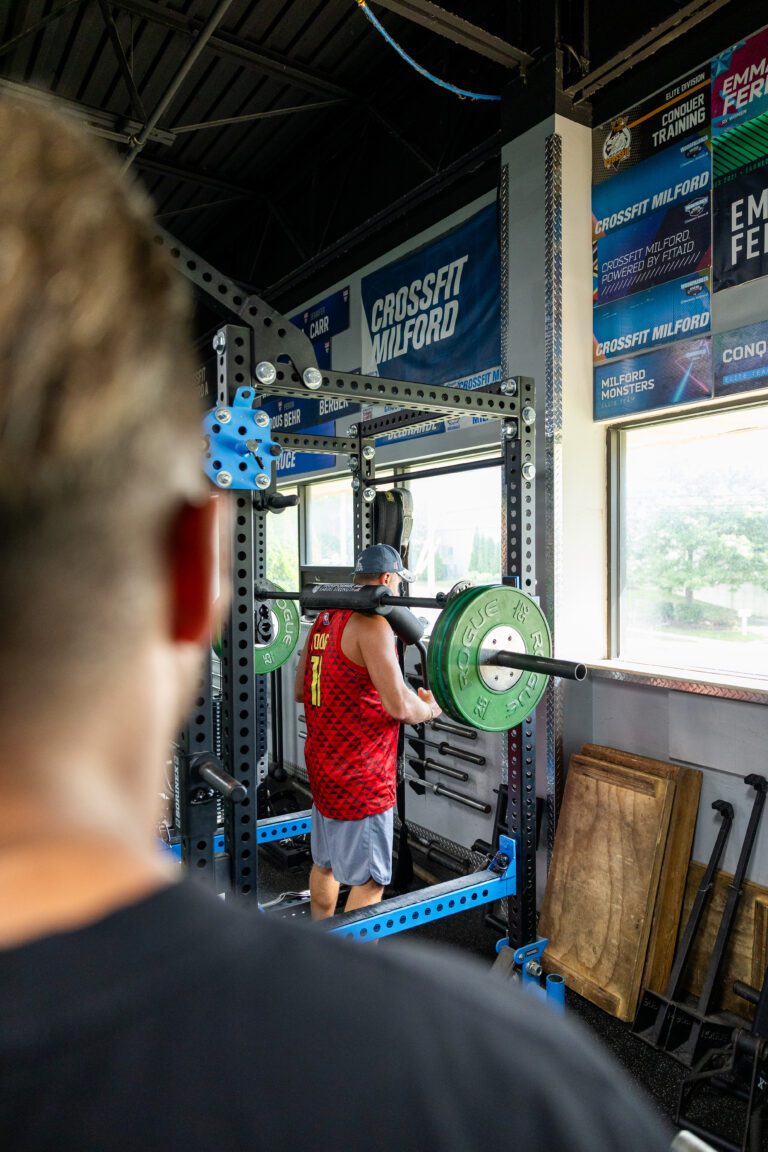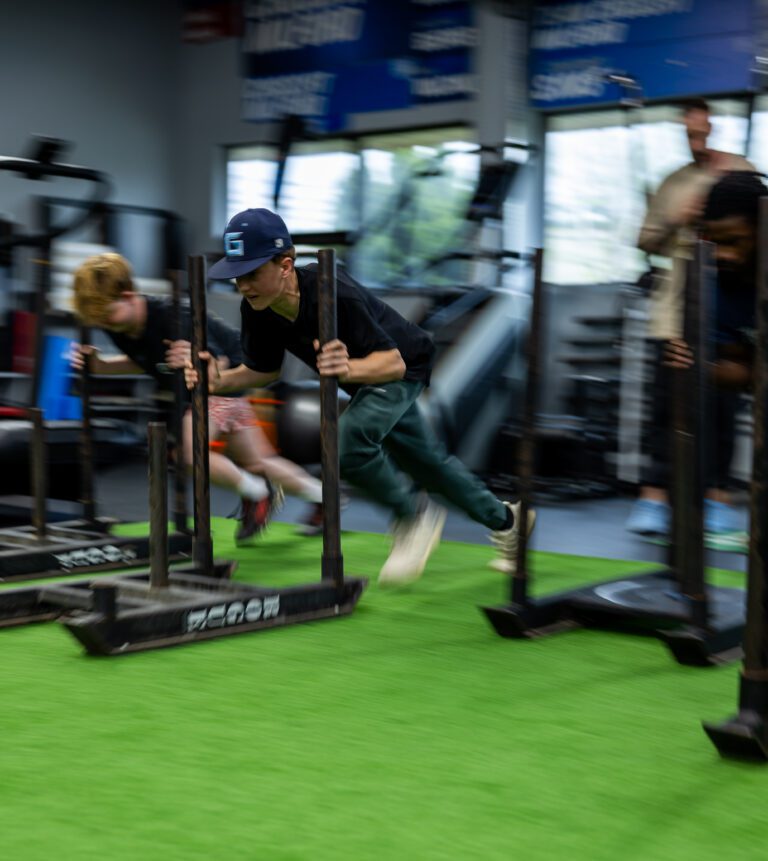
Youth training is one of the most valuable tools for helping young athletes develop strength, improve athleticism, and reduce injury risk. When done correctly, strength training teaches kids how to move well, control their bodies, and build a foundation that supports long-term performance. It is not about pushing heavy weights for the sake of it. It is about developing coordination, stability, balance, and confidence through structured movement.
One of the biggest benefits of youth strength training is improved neuromuscular control. Young athletes learn how to squat, hinge, push, pull, brace, land, and change direction with better mechanics. This improves how efficiently they produce and absorb force. As a result, they often run faster, jump higher, cut better, and move with more control in sport. Strength gives young athletes the physical tools they need to express speed, power, and explosiveness.
Strength training also plays a major role in injury prevention. Many youth injuries happen because athletes do not have the stability, body awareness, or tissue tolerance to handle the demands of sport. A well-designed program can strengthen muscles, tendons, and connective tissue while improving joint integrity and movement quality. It can also address weak links such as poor landing mechanics, lack of core control, and imbalances between the hips, knees, and ankles. All of this helps reduce the likelihood of overuse and non-contact injuries.
Beyond the physical benefits, youth training builds discipline and confidence. Athletes begin to understand that preparation matters and that getting stronger is a process. Over time, they develop resilience and a better relationship with training. In the big picture, youth strength training creates stronger, more capable athletes who are better prepared for sport, more resistant to injury, and more confident in their abilities both on and off the field.